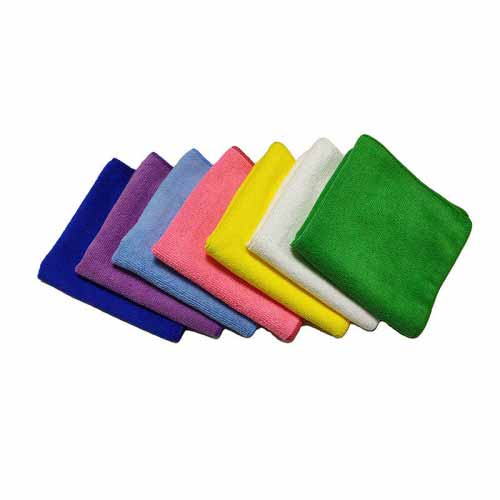
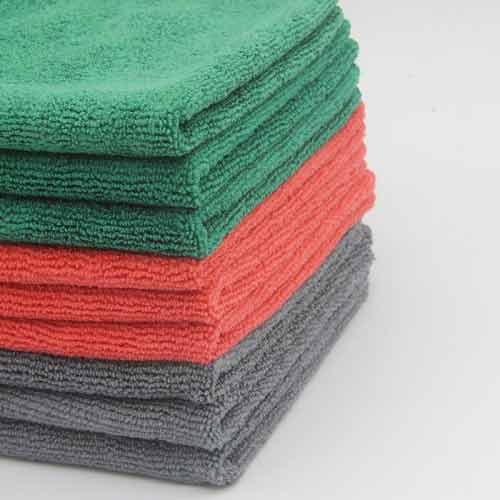
Product details description
Kitchen cleaning microfiber cloths have revolutionized commercial and
residential sanitation practices by offering superior absorbency, grease-cutting
efficacy, and non-abrasive surfaces that protect delicate cookware and
countertops. Engineered with ultra-fine synthetic fibers—typically a blend of
polyester and polyamide—these cloths trap dirt, oils, and bacteria through
capillary action and electrostatic attraction, leaving surfaces streak-free and
hygienically clean without the need for harsh chemicals. Their dense,
split-fiber structure creates millions of tiny “hooks” that lift and hold
contaminants, making them ideal for daily kitchen maintenance and post-cooking
cleanup.
In professional kitchens, microfiber cloths play a vital role in complying
with food safety regulations such as HACCP (Hazard Analysis and Critical Control
Points) and FDA guidelines. They are used to sanitize prep surfaces, wipe down
appliances, clean stainless steel sinks, and polish glassware—all while
minimizing cross-contamination risks. Color-coded systems (e.g., red for raw
meat, blue for glass, green for vegetables) are commonly implemented to prevent
microbial transfer between different food categories. High-quality microfiber
cloths are machine washable, reusable for hundreds of cycles, and resistant to
fraying or shedding, ensuring consistent performance and cost-efficiency over
time.
Grease removal is one of the standout capabilities of microfiber cloths.
Unlike traditional cotton rags that merely smear grease, microfiber’s
microscopic fibers penetrate and encapsulate oily residues, lifting them away
from surfaces. This is particularly effective on stovetops, oven doors, range
hoods, and exhaust fans where baked-on grease accumulates. For stubborn
deposits, a damp cloth or mild detergent can be used, followed by rinsing and
air drying—avoiding abrasive scrubbing that could scratch surfaces or embed
grease deeper into pores.
Hygiene and sustainability are driving adoption trends. Many manufacturers
now offer antimicrobial-treated microfiber cloths that inhibit bacterial growth
between uses, enhancing safety in high-risk environments. Biodegradable or
recycled-content microfiber options are emerging to address environmental
concerns, while certifications like OEKO-TEX? ensure no harmful dyes or
chemicals are present. Proper care—including separate washing from
lint-producing fabrics, avoiding fabric softeners, and replacing cloths when
fibers become matted or worn—ensures optimal performance and prolongs lifespan.
As culinary standards rise and consumer awareness grows, microfiber cloths
remain indispensable tools for maintaining cleanliness, safety, and efficiency
in modern kitchens.
Previous article:
Sports Equipment Microfiber Cloths: Athletic Gear Cleaning and Moisture Management
Next article:
Microfiber Cloth Fiber Structure: Split Fiber Technology and Dirt Trapping Mechanisms