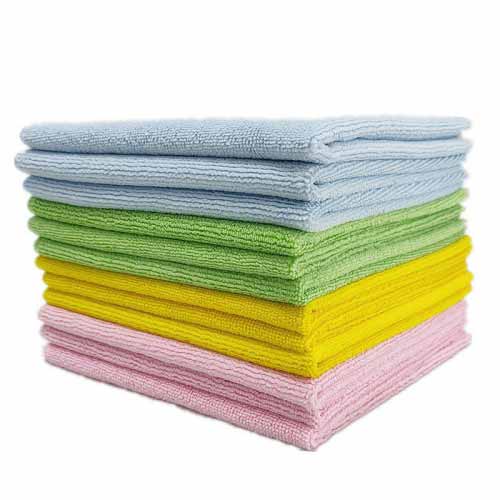
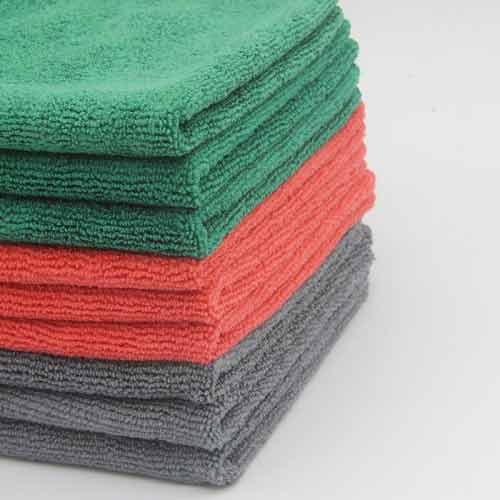
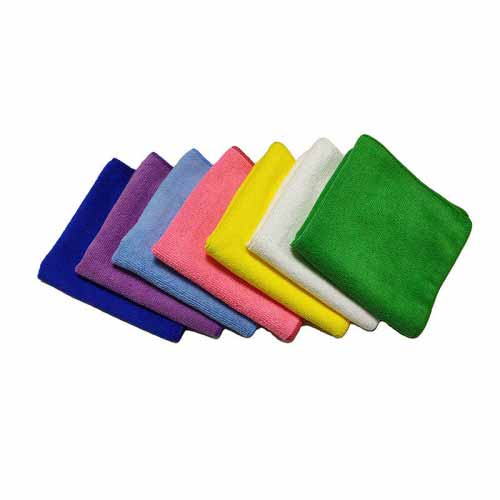
Product details description
Using a microfiber cloth for a deep clean is an effective, eco-friendly way
to remove dirt, grime, and bacteria from a variety of surfaces without harsh
chemicals. Microfiber cloths are made from ultra-fine synthetic fibers
(typically polyester and polyamide) that trap dirt and moisture through
capillary action, making them more effective than traditional cotton cloths.
They are versatile, reusable, and safe for most surfaces, making them ideal for
deep cleaning in homes, offices, and commercial spaces.
To achieve a deep clean with a microfiber cloth, start with proper cloth
selection and preparation. Choose the right type of microfiber cloth:
split-fiber cloths (with frayed fibers) are best for dusting and deep cleaning,
as they trap more dirt and bacteria; looped-fiber cloths are better for
polishing and drying. Use separate cloths for different surfaces (e.g., one for
kitchen counters, one for bathroom fixtures) to prevent cross-contamination. Wet
the cloth slightly for deep cleaning—microfiber works best when damp, as the
moisture activates the fibers’ dirt-trapping ability. Avoid over-wetting the
cloth, as this can leave streaks or water spots. For tough stains or
disinfecting, add a small amount of mild detergent (e.g., dish soap) or a
natural cleaner (e.g., vinegar) to the cloth—avoid bleach or abrasive cleaners
that can damage the fibers.
Follow the correct technique for deep cleaning different surfaces. For hard
surfaces (e.g., countertops, floors, windows), wipe in a circular or
back-and-forth motion, applying gentle pressure to lift dirt and grime. Use the
edges of the cloth to clean tight spaces (e.g., between tiles, around fixtures).
For upholstery or fabrics, gently blot stains instead of rubbing to avoid
spreading dirt or damaging the material. Rinse the cloth frequently in clean
water to remove trapped dirt—this prevents re-depositing dirt on surfaces. For
extra deep cleaning, soak the cloth in a mixture of warm water and mild
detergent, then wring it out before use. After cleaning, wash the microfiber
cloth in the washing machine with mild detergent (avoid fabric softener, which
coats the fibers and reduces effectiveness) and tumble dry on low heat or air
dry. Store clean cloths in a dry, ventilated area to prevent mildew. By using
microfiber cloths correctly, you’ll achieve a thorough, chemical-free deep clean
that leaves surfaces sparkling clean and free of dirt, grime, and bacteria.
Previous article:
Microfiber Cloth Density Standards: GSM Measurements and Cleaning Power Correlation
Next article:
Extra-Large Microfiber Cloth - Efficient for Big Cleaning Tasks