Microfiber Cloth Fabric for Household & Auto
Release time:2026-02-08 Click:5
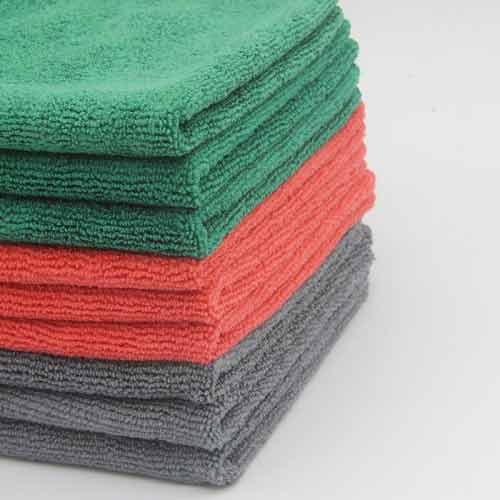
The microfiber cloth fabric has become the gold standard for cleaning and polishing in both domestic and professional settings, thanks to its unique ability to trap dirt and grease without the need for harsh chemicals. Composed of a blend of polyester (for scrubbing power) and polyamide (for absorbency), these fabrics are split during extrusion to create millions of microscopic hooks that lift and hold contaminants. This structure allows the cloth to absorb up to 7 times its weight in water and trap 99% of bacteria using only water. The microfiber cloth fabric is lint-free, streak-free, and scratch-resistant, making it safe for use on delicate surfaces like eyeglass lenses, laptop screens, and car paintwork.
In the automotive industry, the microfiber cloth fabric is indispensable for detailing. It is used for washing, drying, waxing, and polishing vehicles. Because the fibers are so fine, they can reach into the pores of leather seats and the crevices of dashboard vents to remove dust that traditional towels miss. For "waterless" car washes, microfiber towels are sprayed with a quick-detailer solution and used to lift dirt from the paint, reducing water consumption. The high GSM (grams per square meter) variants (300-400 GSM) are preferred for buffing and polishing, as the thicker pile holds more compound and provides a cushion against swirl marks. Lower GSM towels (200-250 GSM) are better for glass and mirrors, leaving a crystal-clear finish.
One of the most significant environmental benefits of the microfiber cloth fabric is its reusability. A single high-quality microfiber towel can replace thousands of paper towels over its lifetime. While there are concerns about microplastic shedding during washing, modern manufacturing binds the fibers more tightly, and washing in a Guppyfriend bag or using a lint trap can capture up to 90% of shed fibers. The production of microfiber also utilizes recycled materials; many towels are made from rPET (recycled polyethylene terephthalate) derived from plastic bottles. This circular economy approach turns waste into a high-performance tool. Furthermore, because it cleans effectively with just water, it reduces the reliance on chemical cleaners, lowering the release of volatile organic compounds (VOCs) into the atmosphere.
The tactile properties of microfiber cloth fabric make it a favorite for home textiles beyond cleaning. It is used for bath towels, bed sheets, and pillowcases. The brushing process (raising the fibers) creates a soft, suede-like feel that is warm in winter and breathable in summer. For people with sensitive skin or allergies, microfiber is hypoallergenic because it repels dust mites and mold. In the hospitality industry, hotels use microfiber linens because they dry faster than cotton, reducing turnover time between guests and saving energy on drying cycles. The ability to compress into small volumes also makes it ideal for travel and camping gear, where space is at a premium.
Finally, caring for the microfiber cloth fabric is essential to maintain its performance. The golden rule is to wash it separately from cotton and other fabrics that create lint. Fabric softener must be avoided at all costs, as it coats the fibers and ruins their absorbency. A gentle liquid detergent and a warm wash (30-40°C) are best. Tumble drying on low heat or air drying is recommended; high heat will melt the polyester component. Over time, the fibers may become clogged with detergent residue; a "stripping" wash with white vinegar can restore the loft. With proper care, a microfiber cloth can remain effective for 3-5 years, making it a smart, sustainable investment for any home or professional cleaner.
Previous article:Lint-Free Bathrooms Microfiber Cloth for Dust-Free Cleaning
Next article:Essential Kitchen Utility with a Highly Absorbent Dish Towel Cloth
Hot products
Mobile: +86 15097722953
Email:metalproducts2021@163.com
Email:1755383270@qq.com